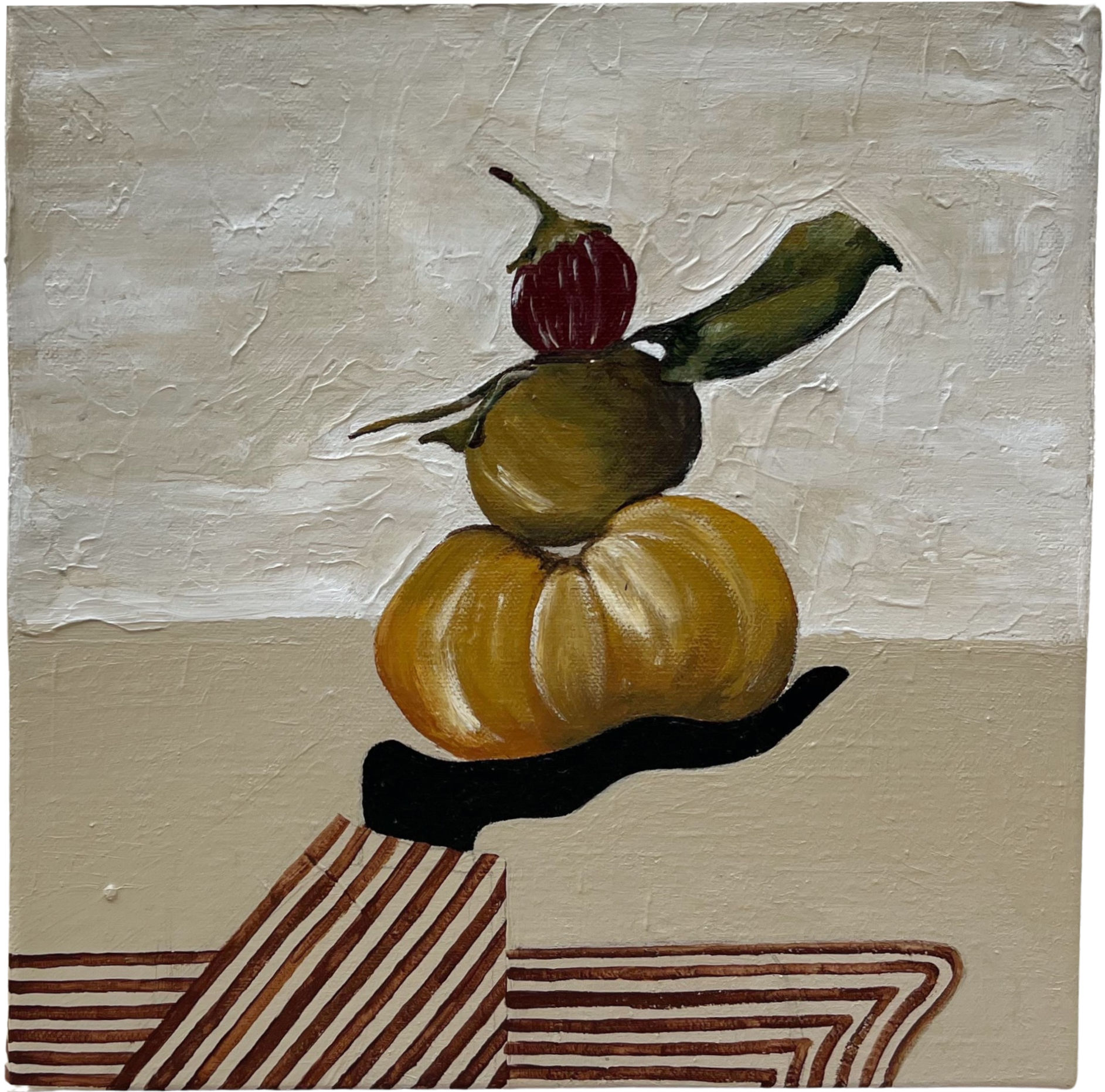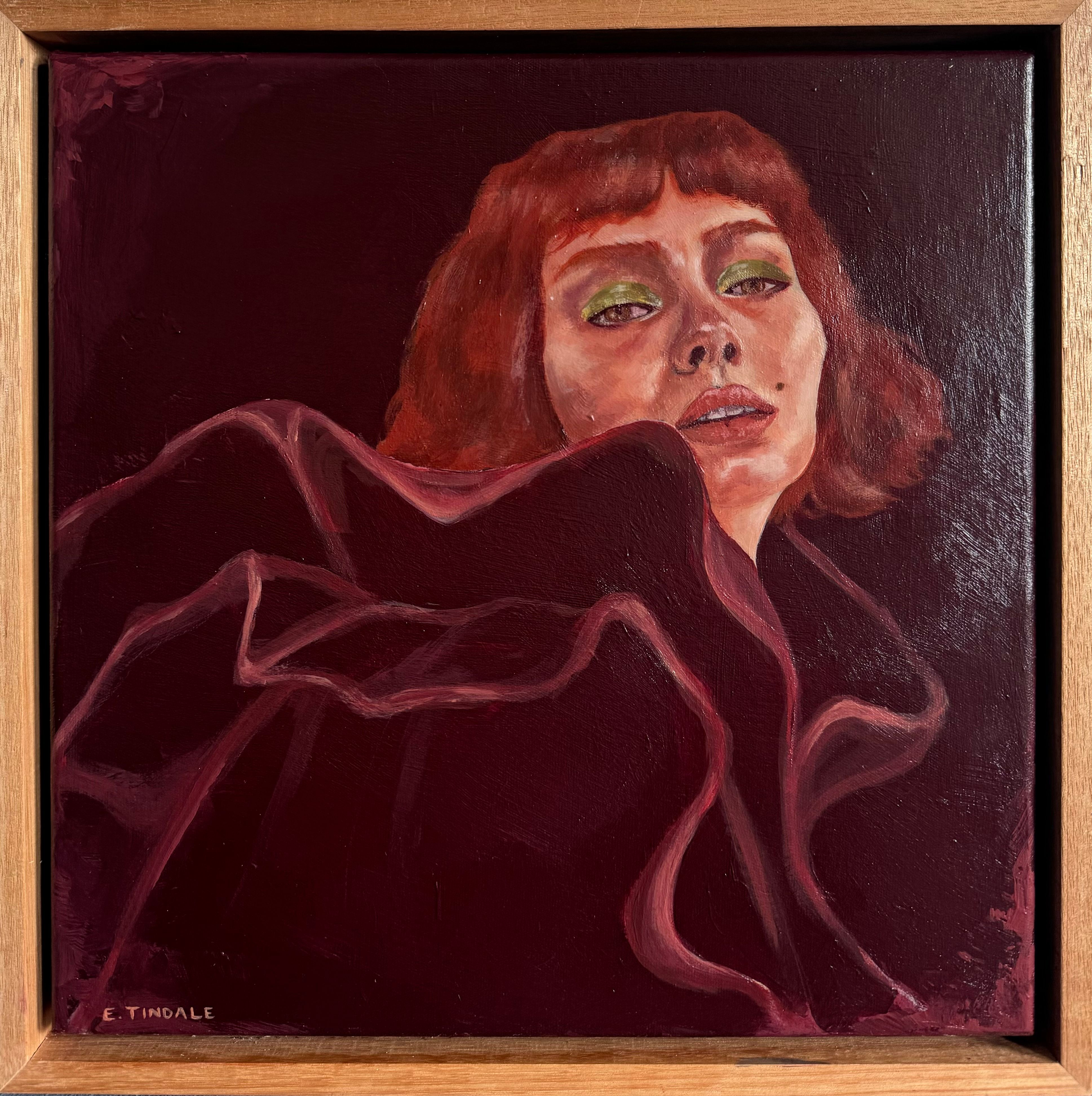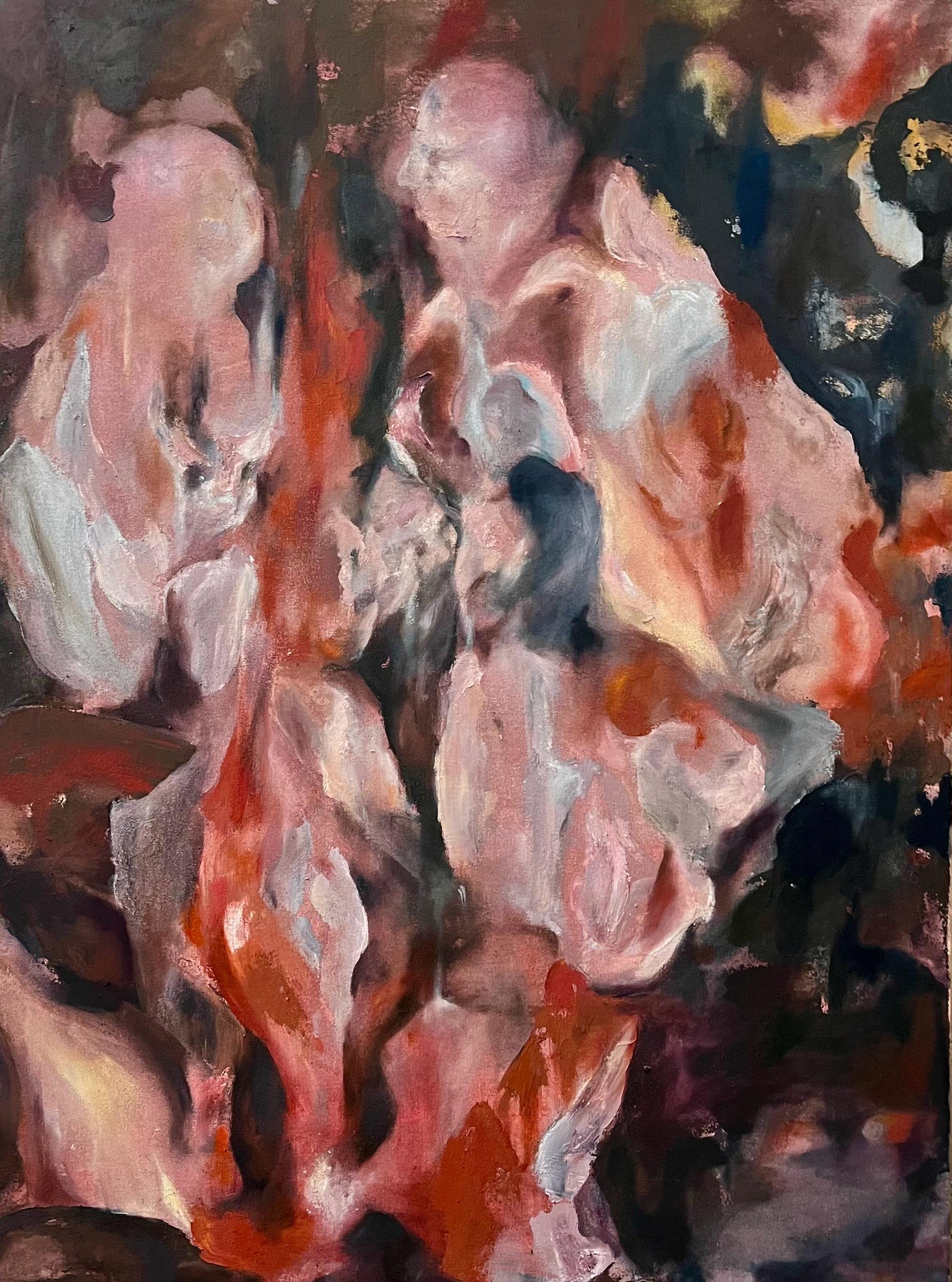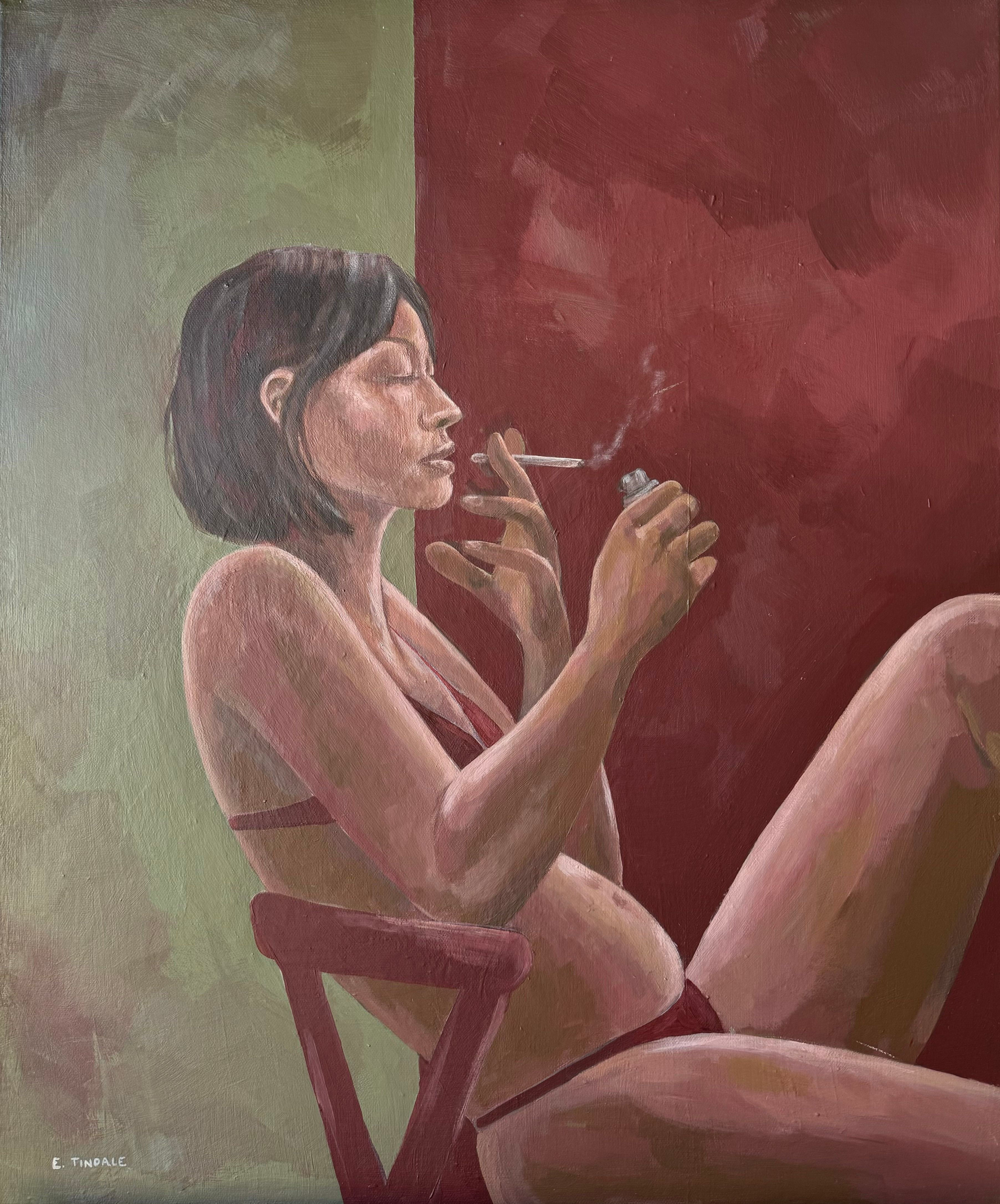
Oil Painting
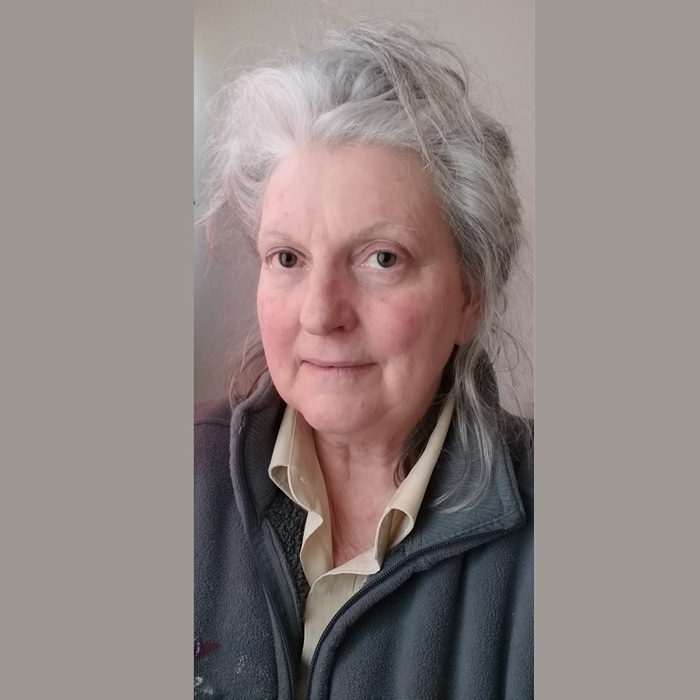
Linda Schneider
Linda Schneider is a contemporary Australian figurative artist working across painting and drawing, with a focus on the human body, restraint, and the accumulation of time within an image.
Artist Profile
Linda Schneider is a contemporary Australian figurative artist working across painting and drawing, with a focus on the human body, restraint, and the accumulation of time within an image.
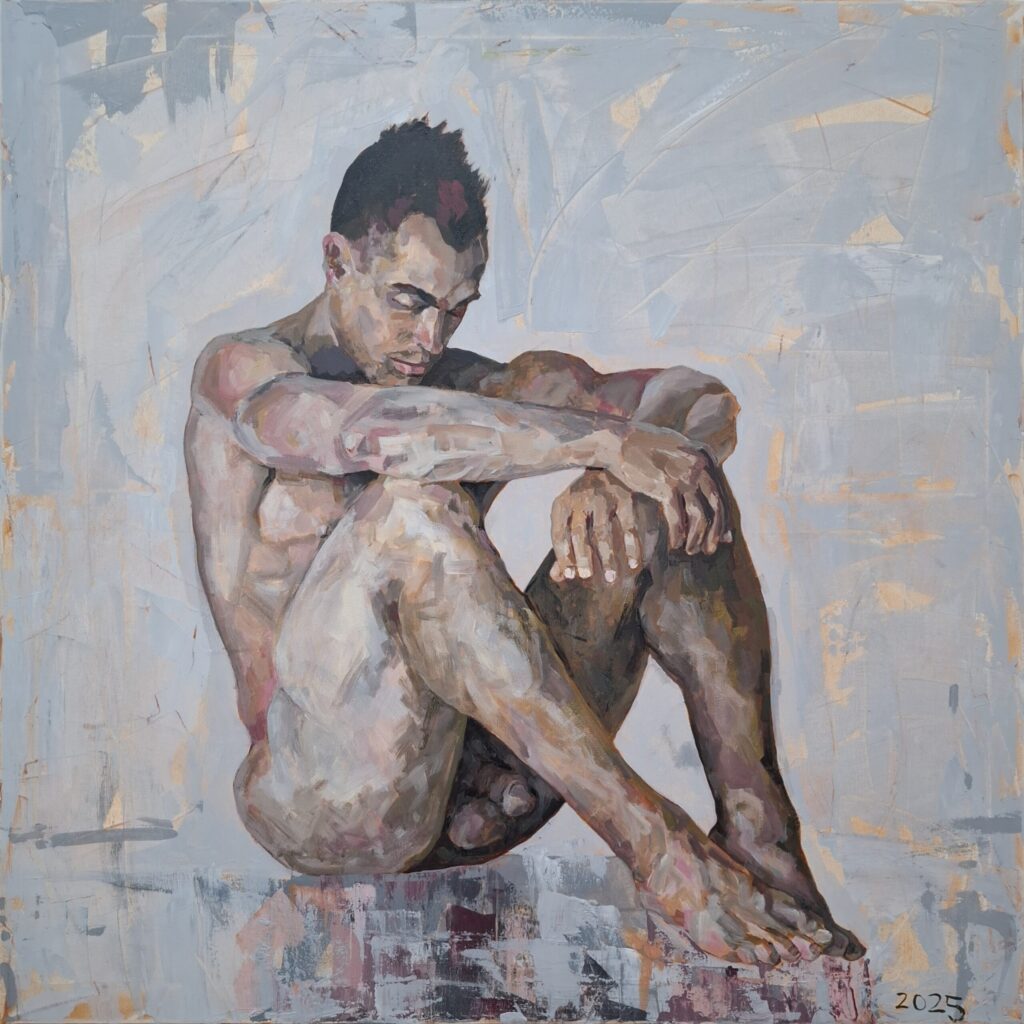
Linda Schneider is a Victorian-based artist whose practice centres on the human figure. Working across acrylic and oil painting, as well as layered charcoal and ink drawings, her process is deliberately iterative, allowing earlier decisions to remain visible within the surface of the work.
Her figures are built through repeated drawing, sanding, erasure, and repainting, creating images that hold a sense of accumulation and quiet tension rather than a fixed or polished finish. Schneider is interested in how restraint, revision, and time shape an image, and how the body can be used as a site for both observation and inward reflection.
Her work has been recognised in major Australian prizes, including being a finalist in the Dobell Drawing Prize.
Artist Interview
What medium do you work with, and why have you chosen them?
My practice is grounded in drawing, which underpins my approach to painting. Working with charcoal and layered media has shaped my sensitivity to tone, revision, and the visible trace of process. I currently work primarily in acrylic and oil painting. Acrylic allows for rapid experimentation and decisive shifts during the making process, while oil is used for its luminosity and capacity for slower, more nuanced development of form and colour.
How does your artwork get from initial concept to exhibition stage?
I usually begin with a person or an image, but the work quickly becomes a process of discovery rather than execution. As the drawing or painting develops, I experiment, test ideas, and often change direction several times. New techniques or ways of seeing the work emerge during this phase, and the piece is allowed to shift in response. At a certain point, those possibilities narrow, and the work begins to assert its own logic. I know a work is moving toward completion when further changes no longer feel exploratory, but instead serve a resolution that the work itself seems to require.
Can you tell us a little more about your creative working environment/studio?
I work from my studio in Harcourt, Victoria. It’s an active working space rather than a presentation studio, set up to allow for drawing, painting, and extended periods of looking and revision. The studio supports a slow, process-led way of working, where works can remain visible over time and be revisited as they develop. I also run regular life drawing sessions from the studio, which keeps observation and the human figure central to my ongoing practice.
Artist Quote
– Finalist, The Dobell Drawing Prize, National Art School, Sydney (2025)– Finalist, Naked & Nude Prize, Manning Regional Art Gallery, Taree NSW (2025)
– Finalist, Nillumbik Prize for Contemporary Art (2021)