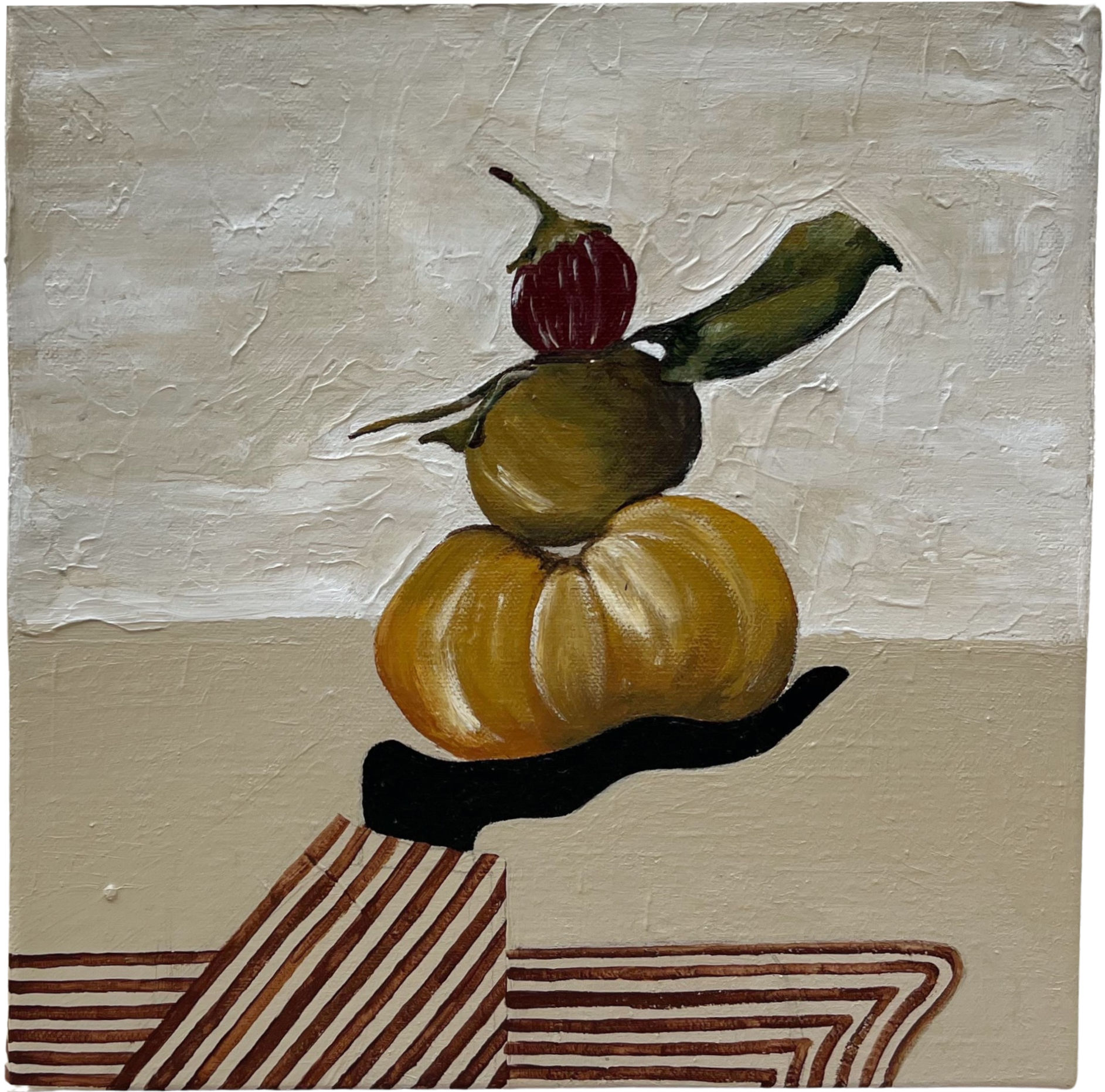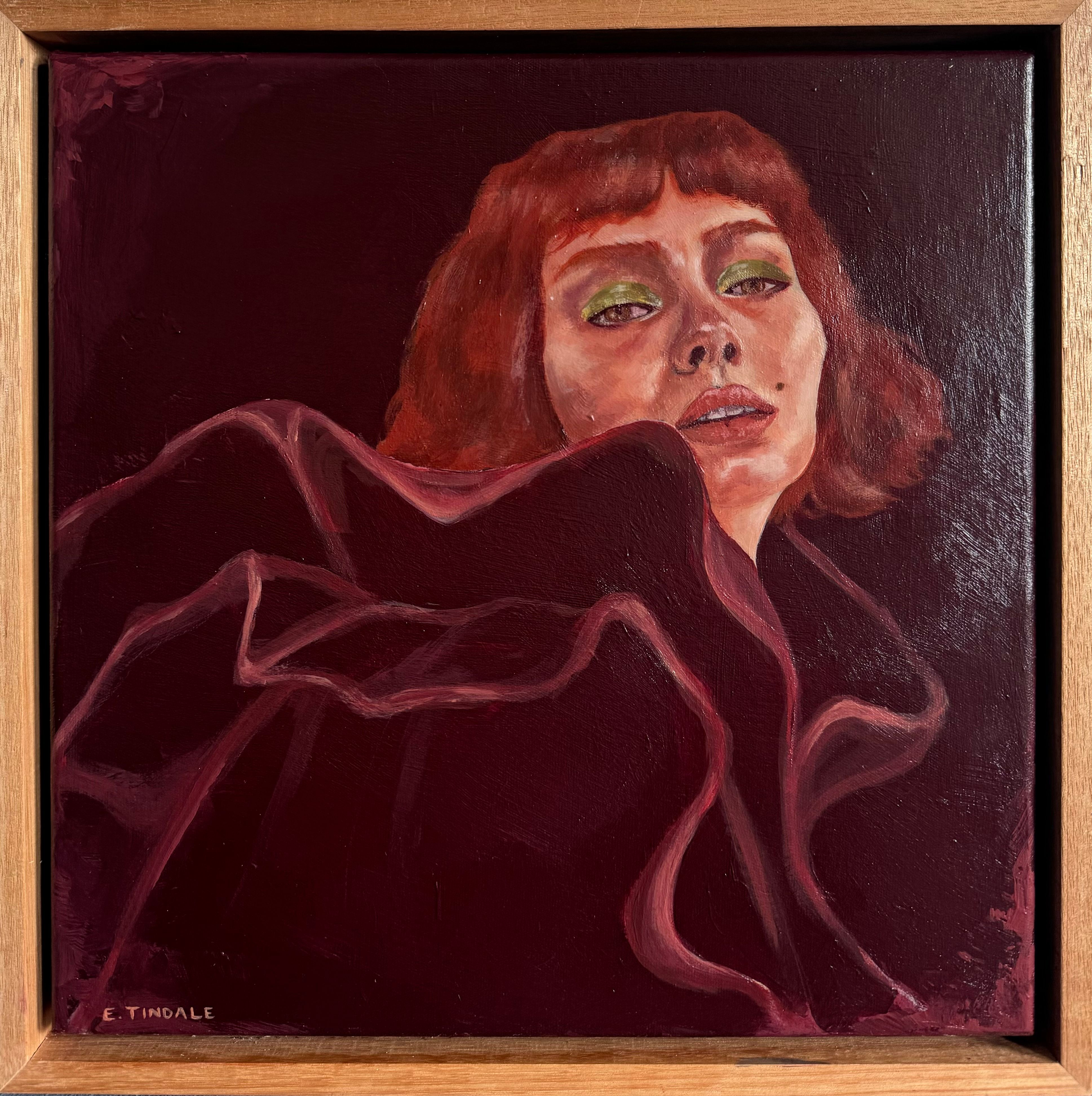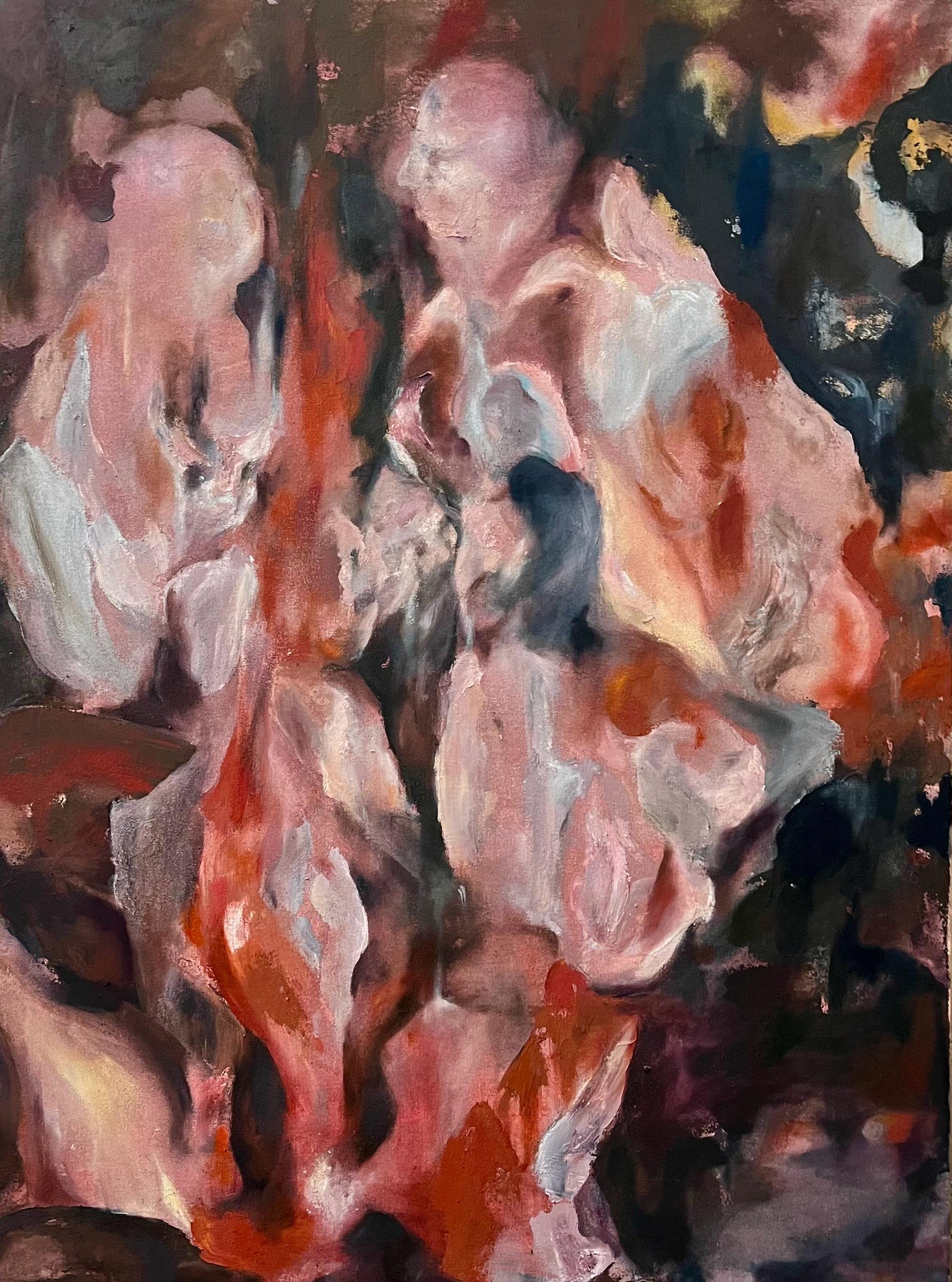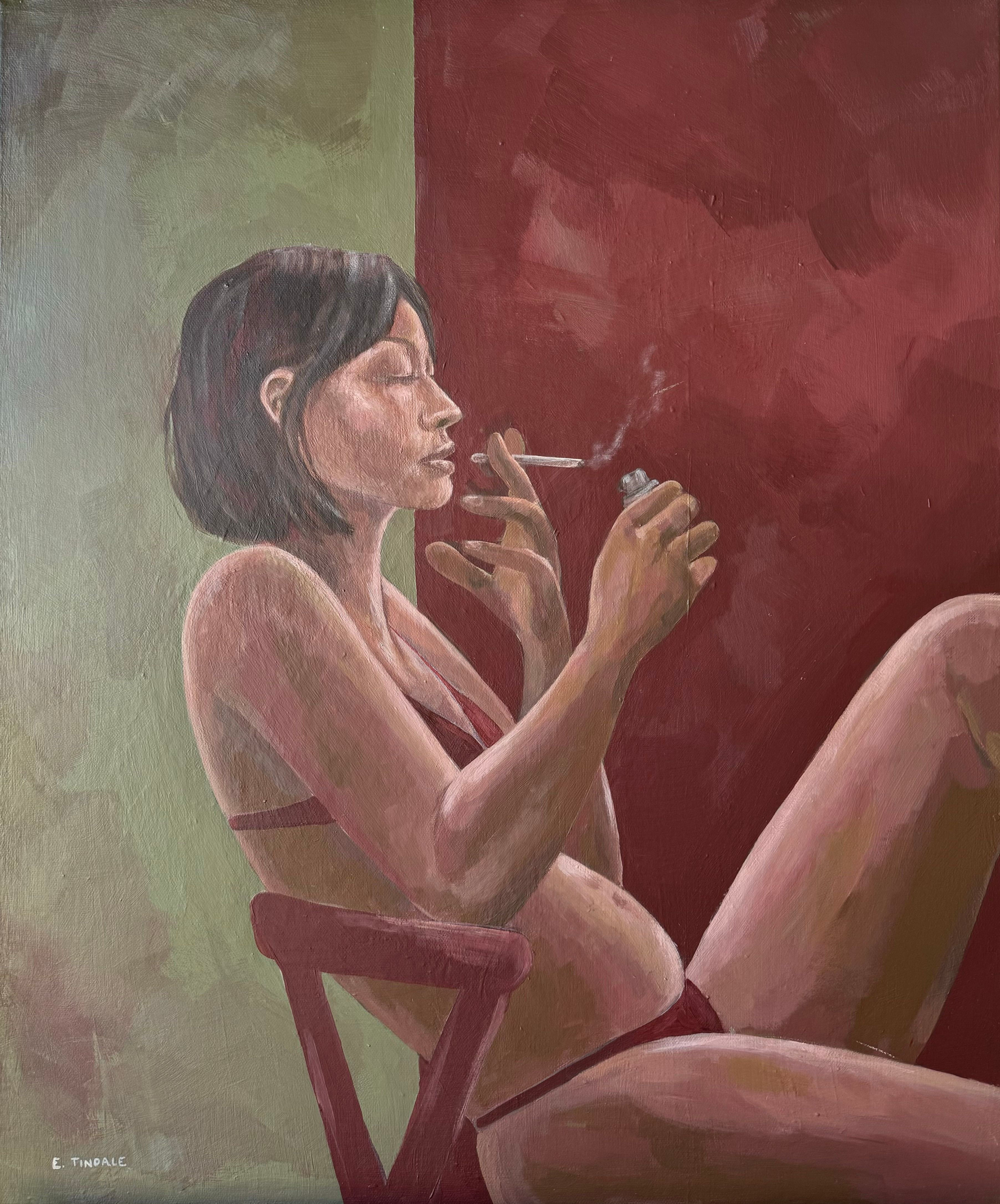
Oil Painting
Boyco Boychev
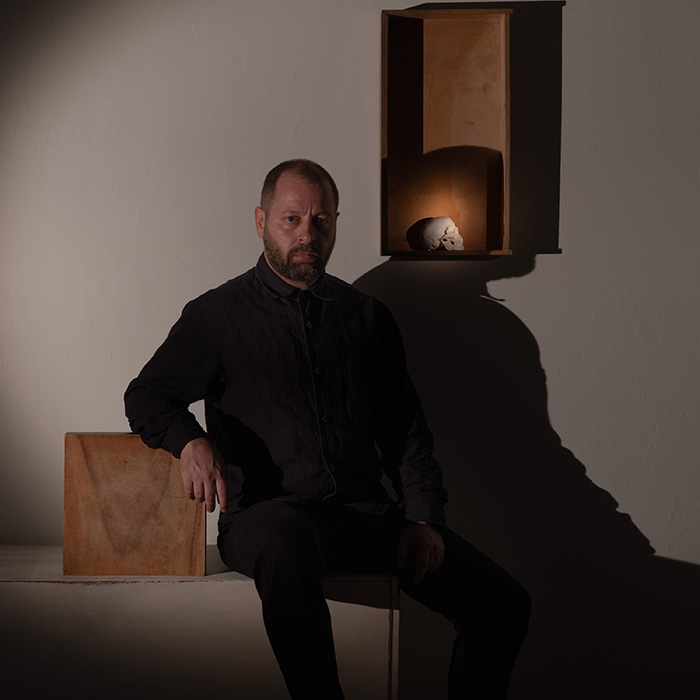
Boyco Boychev is a contemporary painter exploring how history, science, and myth shape the way we see. Through figurative assemblage and diagrammatic composition, his work examines the afterlives of knowledge—how objects, images, and ideas are collected, repurposed, and made to speak again.
Artist Profile
Boyco Boychev is a contemporary painter exploring how history, science, and myth shape the way we see. Through figurative assemblage and diagrammatic composition, his work examines the afterlives of knowledge—how objects, images, and ideas are collected, repurposed, and made to speak again.
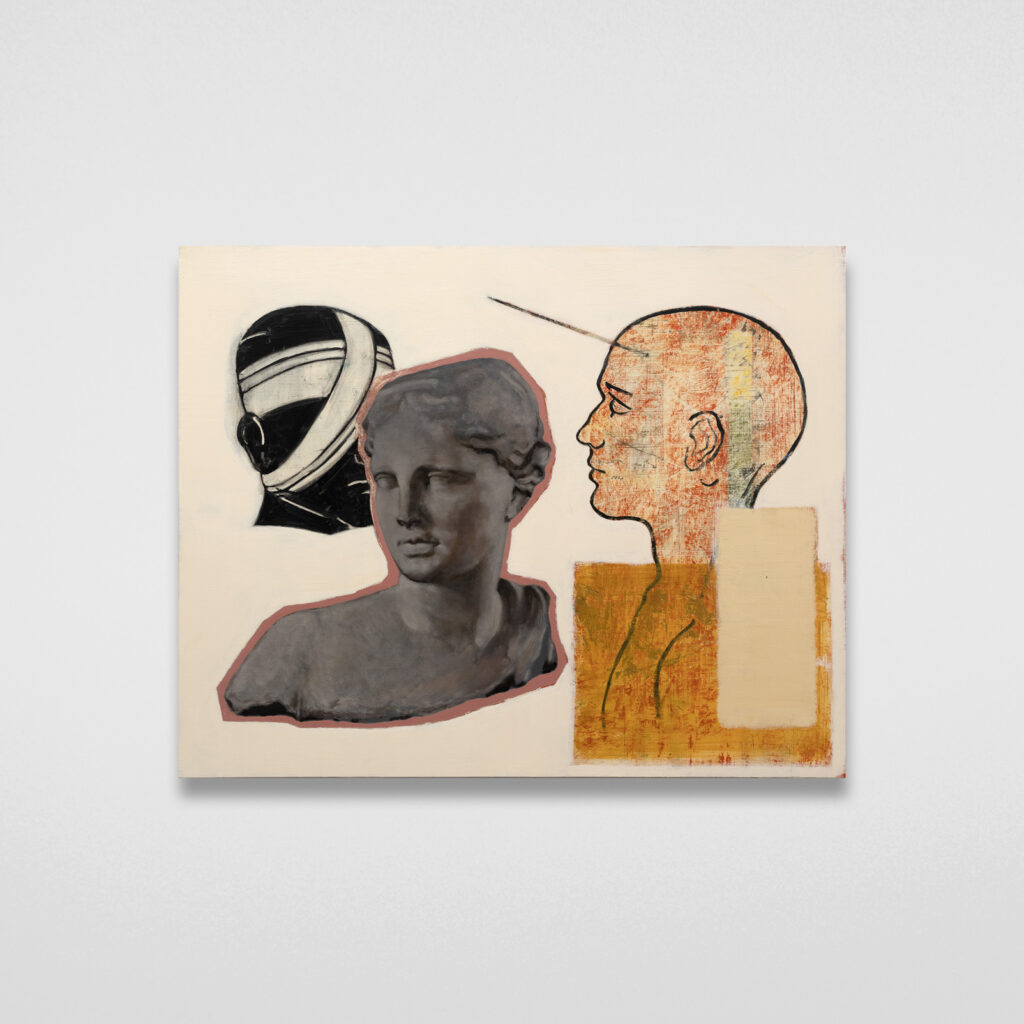
Boyco Boychev is a self-taught artist based in Brisbane, Australia. Working primarily in oil, his practice merges classical figuration with visual systems borrowed from anatomy, astronomy, and archival illustration. His paintings evoke the feel of museum displays—layered, quiet, and inquisitive—where objects, bodies, and symbols are stripped of context and reassembled as poetic fragments. Drawing inspiration from cabinets of curiosity and the aesthetics of scientific diagrams, Boychev constructs images that feel both ancient and speculative, suggestive but unresolved. His work invites viewers into a space between the rational and the metaphysical, where history becomes theatre and observation becomes ritual.
Though not formally trained, Boychev has developed his practice independently, outside academic frameworks—through collecting, observing, and refining a personal visual grammar. His background lies in a separate profession, managing complex systems and structures. Painting offers a necessary counterpart: a space where logic gives way to intuition, and where thought is made physical. This separation lends the work its urgency. It is not casual. It’s not produced on schedule. It insists on being made.
Artist Interview
What medium do you work with, and why have you chosen them?
I work primarily in oil, often on wooden panels. Oil allows for layering, sanding, and subtle tonal shifts—qualities that suit my interest in aged surfaces, historical references, and painterly ambiguity.
How does your artwork get from initial concept to exhibition stage?
The process begins with collecting: images, objects, fragments, ideas. I build compositions intuitively, often using digital collage to test arrangements. Once an image feels charged but unresolved, I begin painting—though the work often shifts along the way. I treat the canvas as a site of discovery rather than execution. During the process, I deliberately interrupt the surface—sanding the painting back with a machine, sometimes more than once. This exposes underlying layers, erodes clarity, and lends the image a sense of age or damage. It’s not just aesthetic. The act becomes a kind of trial: to test whether the painting holds up under force. If it does, it feels more real—less like a product, more like a thing that has endured. I avoid fixed symbols or meanings, working instead toward ambiguity—where objects are present, but unanchored, and the viewer is left without instruction. Finished pieces are chosen based on how they resonate together, as part of an ongoing visual inquiry.
Can you tell us a little more about your creative working environment/studio?
I work from a converted porch in suburban Brisbane. The space is compact but densely arranged—part studio, part cabinet of curiosity. Alongside books, painting and printed vintage illustrations, I keep a growing collection of objects: drawer trays, furniture fragments, vintage tools, frames, architectural remnants, and atlases. These aren’t props, but visual hypotheses—items chosen for their presence, not their meaning. The room itself reflects the nature of the work: layered, observational, and slightly out of time.
Career Highlights
- Early career artist with a focused practice
- Wunderkammer painting series, 2021–ongoing
- First public listing via Artbid, 2025