Oil Painting
David Campbell
The journey begins with the spirit of place and continues with the gathering and assemblage of raw materials to suit each painting. From conception to exhibition David ensures a rhythm is established so each step of the process is aligned.
Artist Profile
The journey begins with the spirit of place and continues with the gathering and assemblage of raw materials to suit each painting. From conception to exhibition David ensures a rhythm is established so each step of the process is aligned.
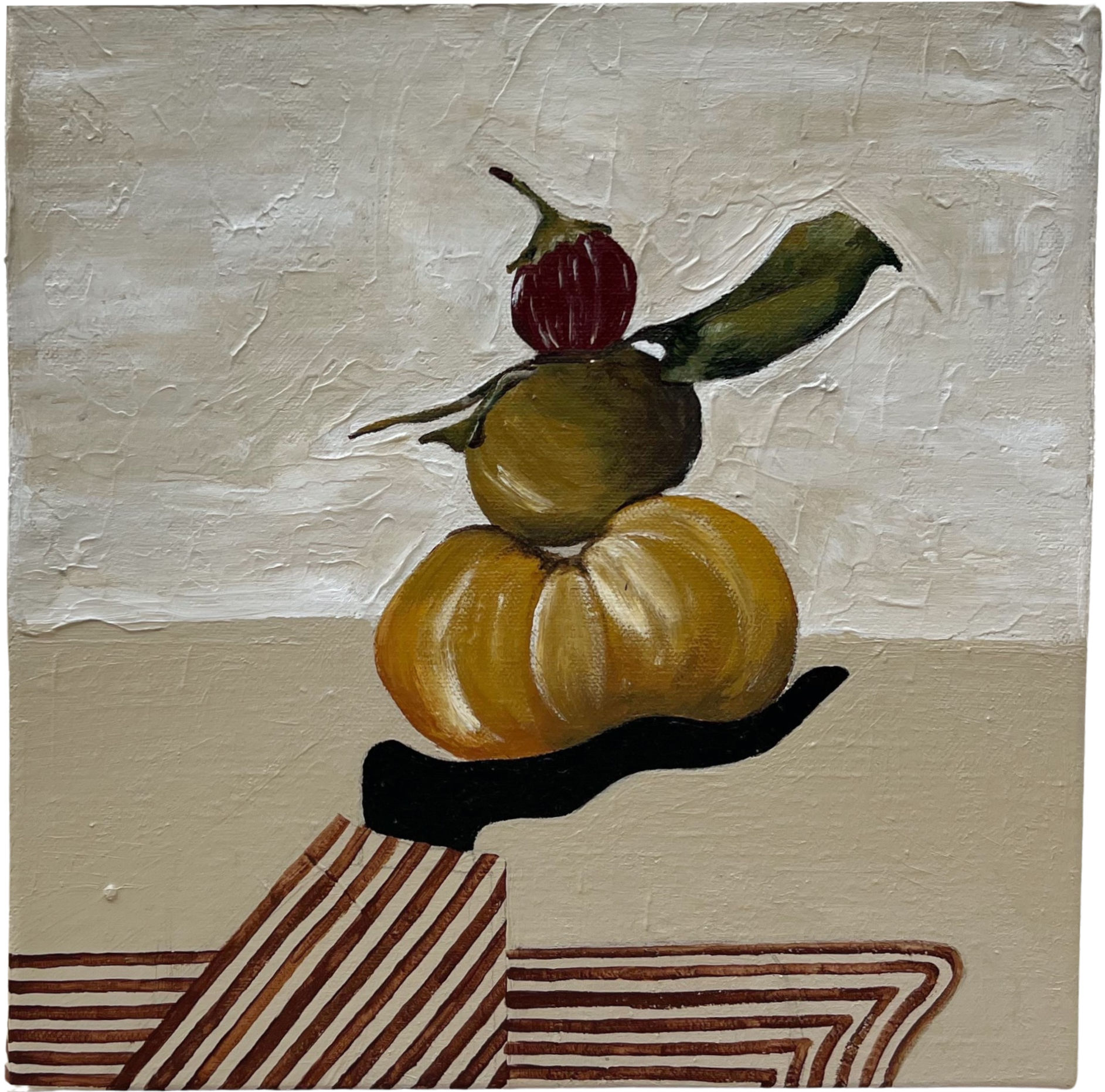
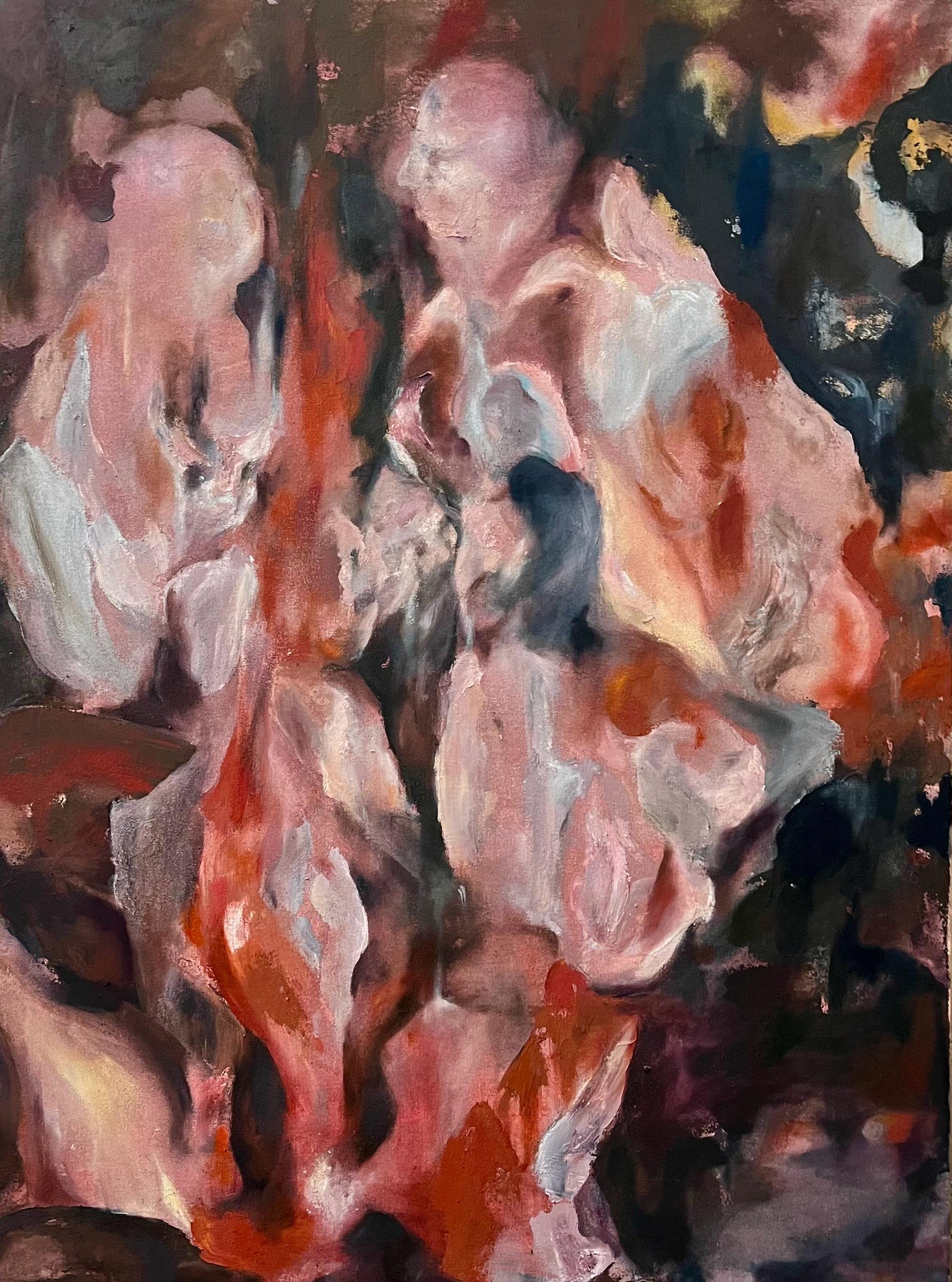
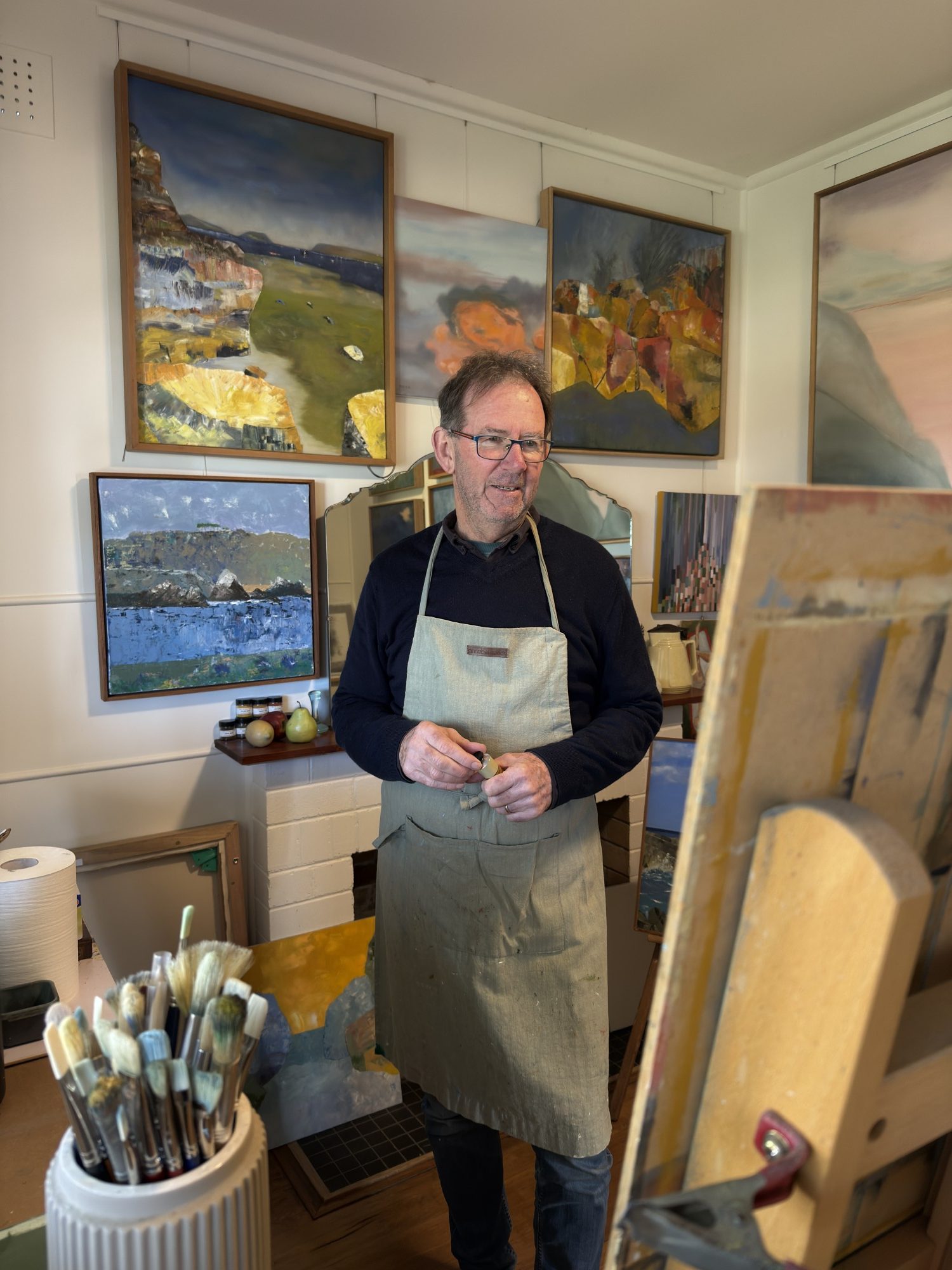
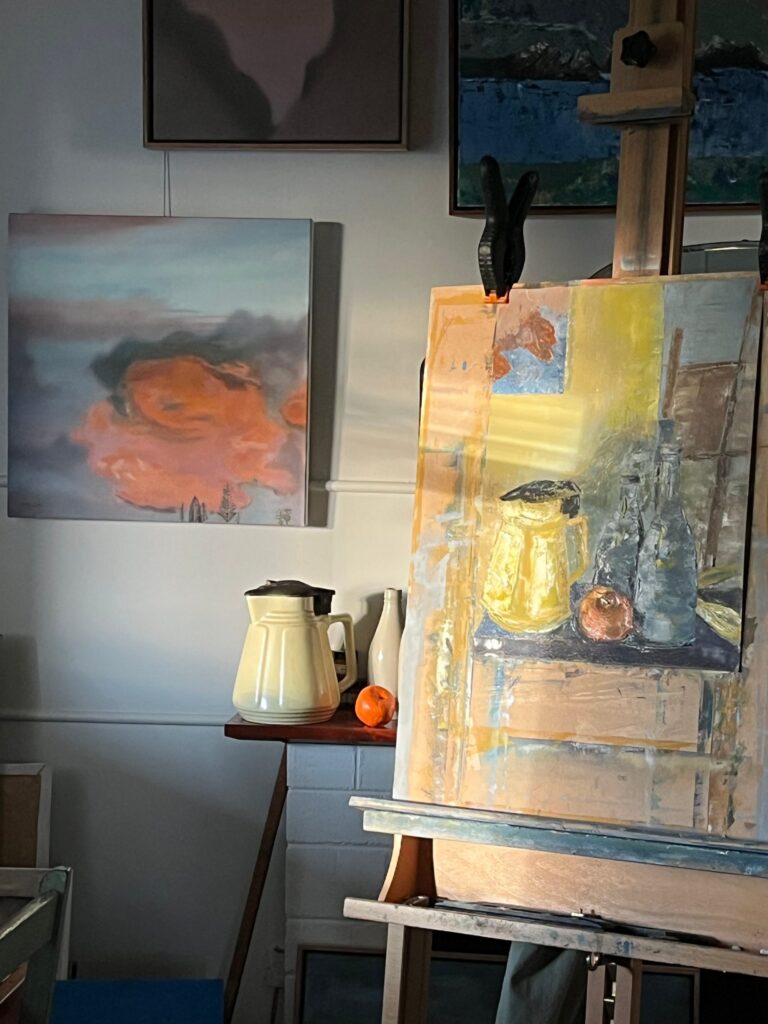
David Campbell is a contemporary visual artist living and working in Bermagui on Djiringanj Country of the Yuin Nation. Bermagui is a beautiful seaside community located on the South East Coast of NSW, Australia. David is a painter of landscape and still life. The coastal environment provides endless inspiration for the landscape work. The process explores the notions of pareidolia and ambiguity within the landscape through colour and form. The choice of brush or pallet knife is a deliberate one that allows for the element of chance to influence the direction of the painting. It’s the interaction between the tools, the medium and the surface that allows for life in the subject. The choice to paint Still Life provides an ideal complement to Landscape painting. Painting Still Life creates an opportunity to explore in a consciously constructed formality of objects in space. The differences between the two genres are both explicit and nuanced and they provoke and extend creative practice in limitless ways.
Artist Interview
What medium do you work with, and why have you chosen them?
Oil paint on canvas or board. The medium is sensual, easily worked and is well suited to the palette knife. I find the colours and finish of oils to be rich, stable and sustainable. There is also a certain satisfaction is working with an age old medium such as oils. I do use charcoal and gouache but only for study and sketches.
How does your artwork get from initial concept to exhibition stage?
It can begin from different angles, sometimes an idea first and then seek subject to match that idea or the subject prompts the painting. For landscape, once conceived I visit a location to get a 'feel' for the area, make sketches or small gouache paintings and take photographs. Because the work is abstracted expressionist in nature the detail and even accuracy of form or colour is not the focus. I'm looking for mass and shape initially then move on to colour during the process of making.
Can you tell us a little more about your creative working environment/studio?
Painting with oils on 12oz canvas duck or board is a deliberate choice. Building the stretcher frames, cutting and stretching the canvas and then applying a size and primer is a rich part of the process allowing full involvement from beginning to end. The studio is one room in the house which forces a level of order and cleanliness that may otherwise not exist. Brushes are usually cleaned and washed at the end of each session but palette knives are much easier to clean which is satisfying. As for the process, it can be quite organic but usually begins with a fairly accurate sketch and blocking in of shape with one or two washed out tones. Scraping back the work with a large spatula is often part of the process whereby I'm left with a sort of under painting that is close to the finished outcome but without the texture of field. Colour may also change going into the top layers.
Career Highlights
- Solo exhibition in 2023
- Finalist in Harden Landscape Art prize 2024
- Website launch 2025