Oil Painting
Dugald Murray
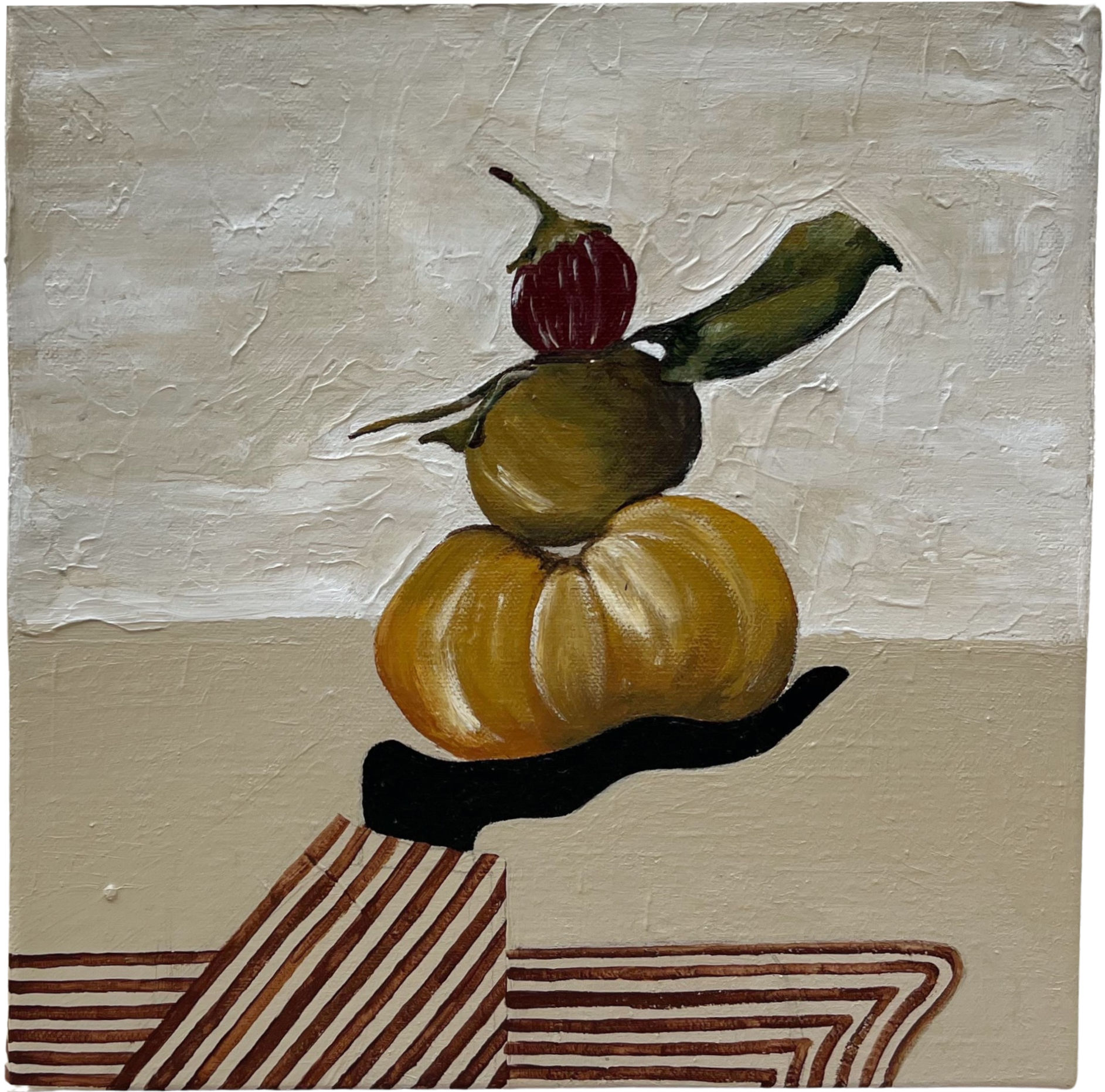
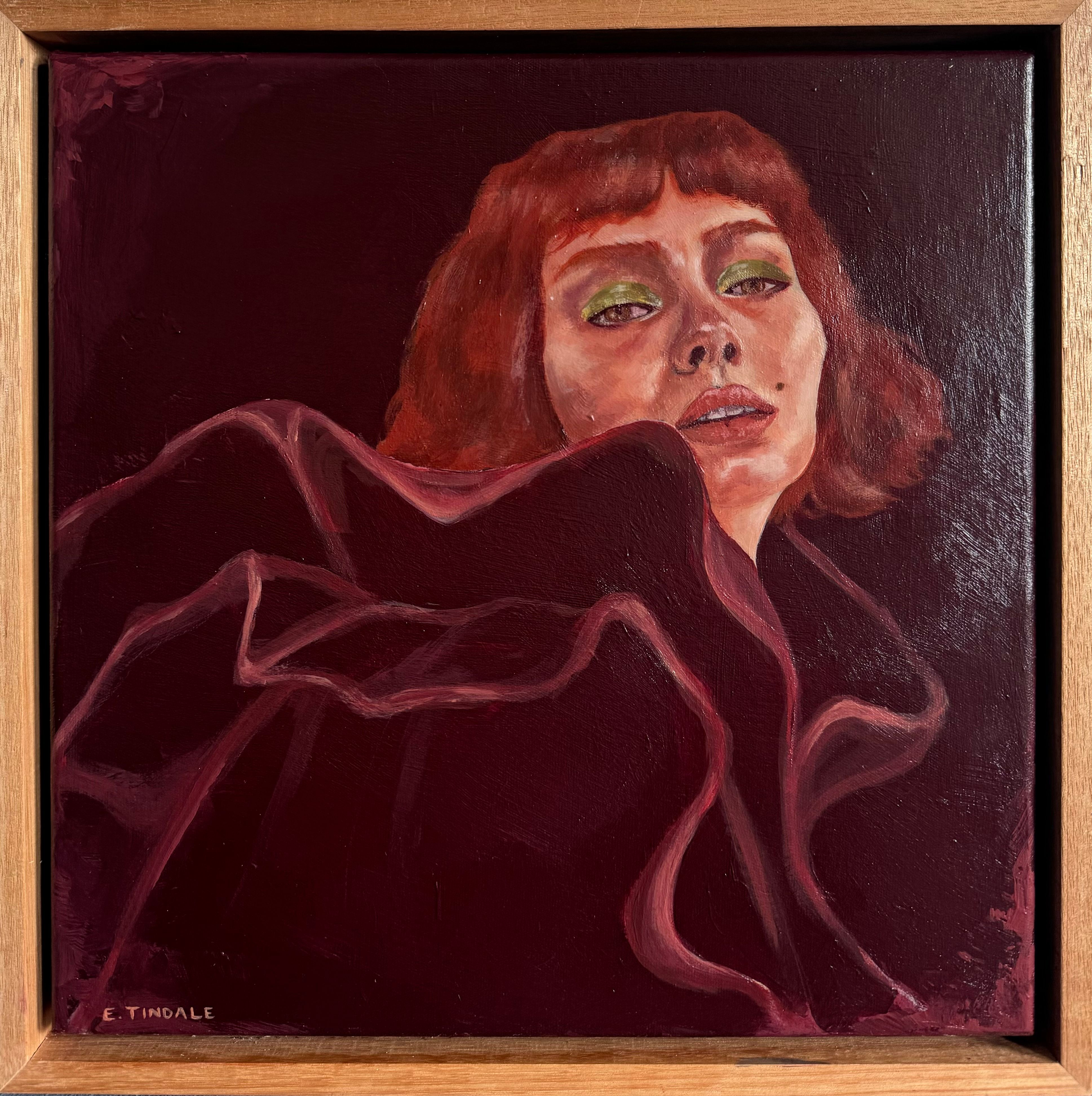
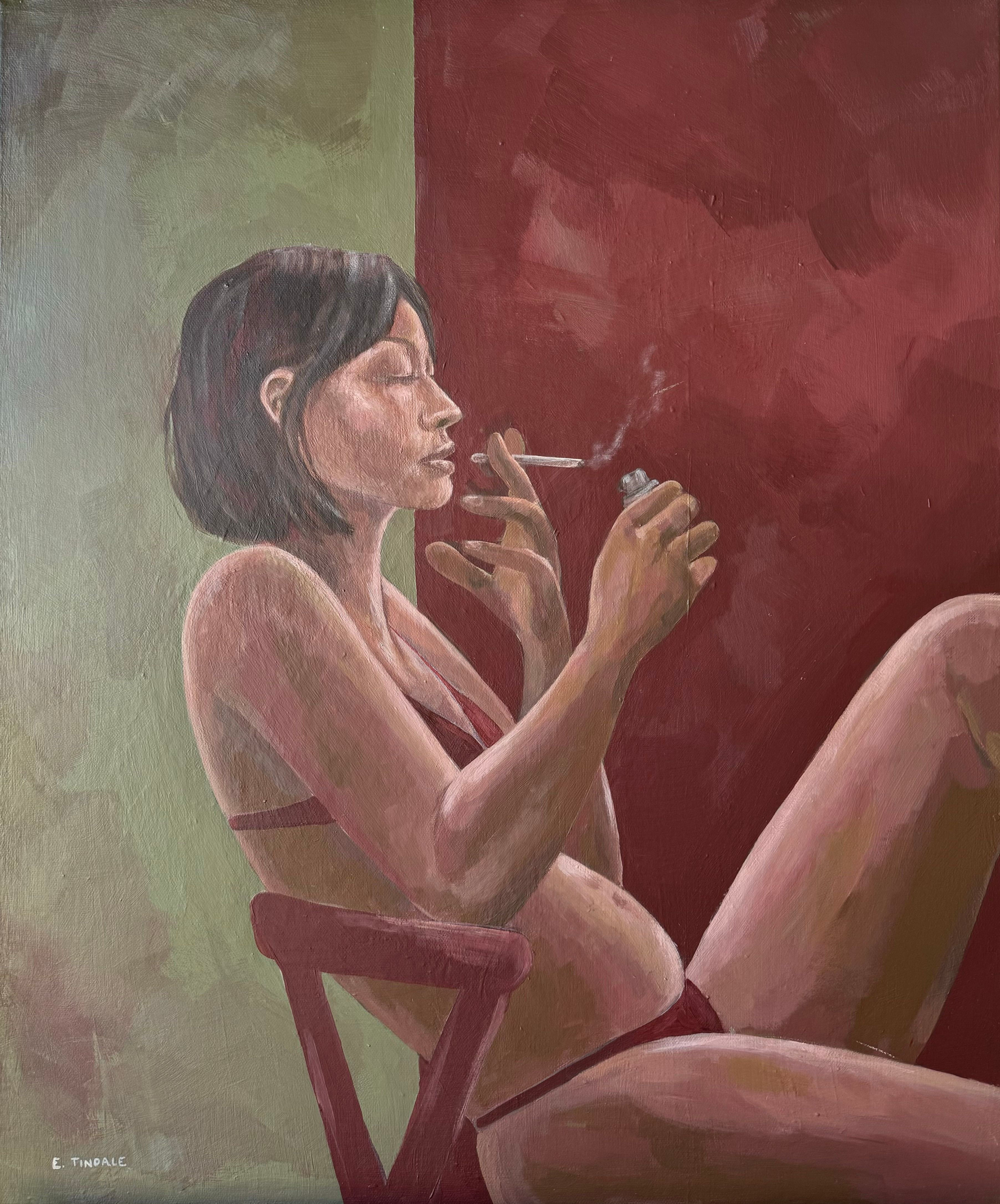
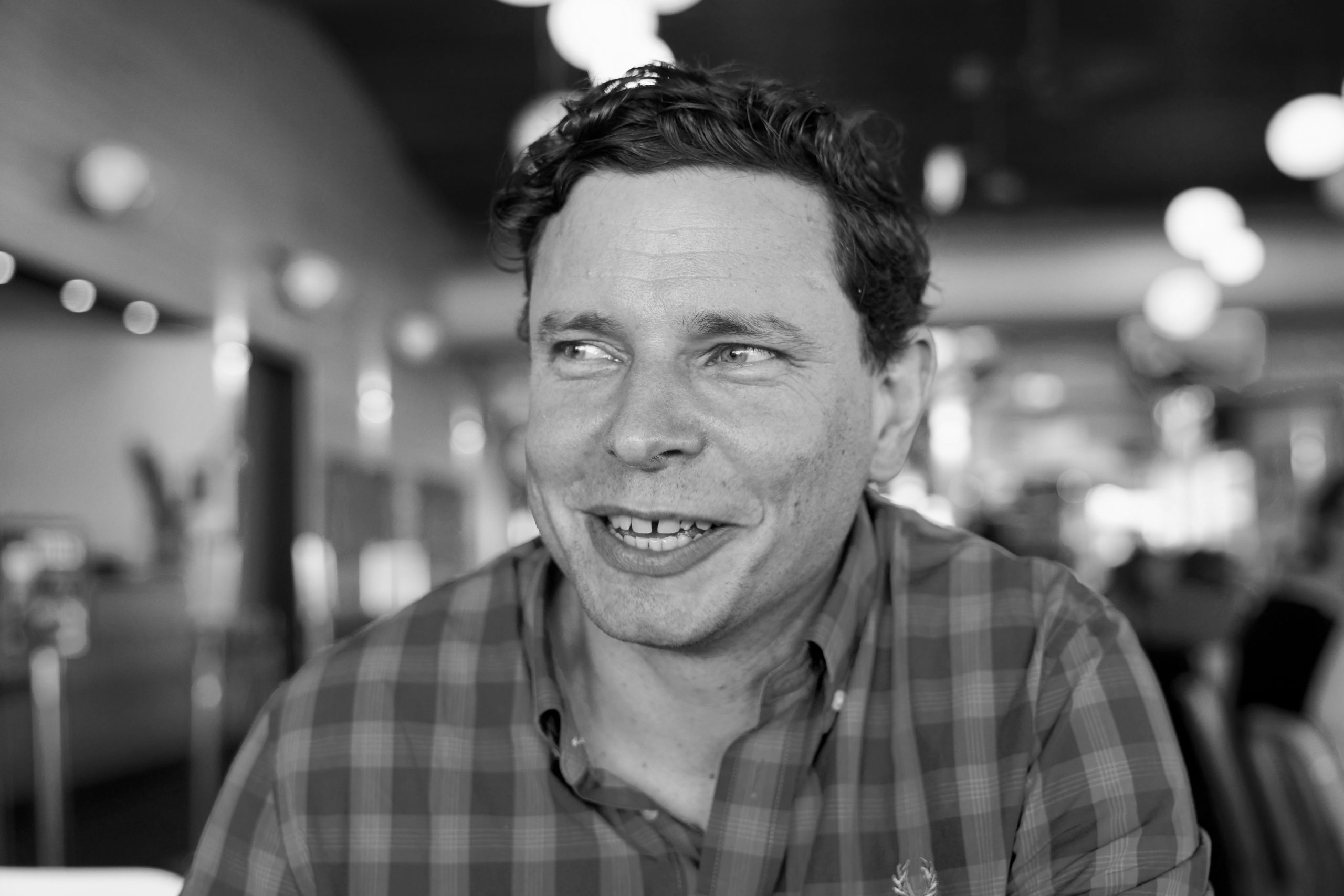
Dugald Murray is an oil painter whose works explore the intersection of the seen and the felt.
Artist Profile
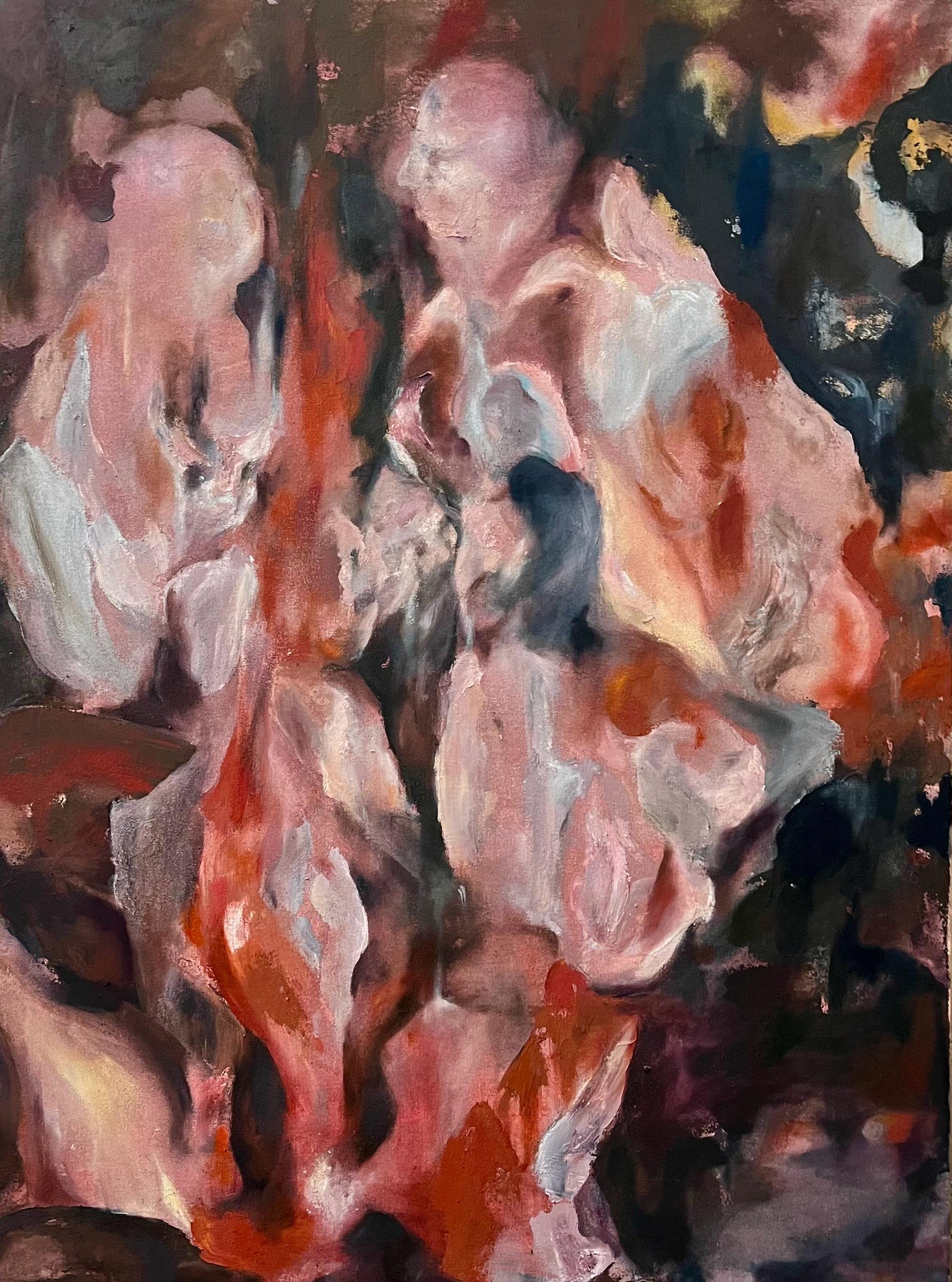
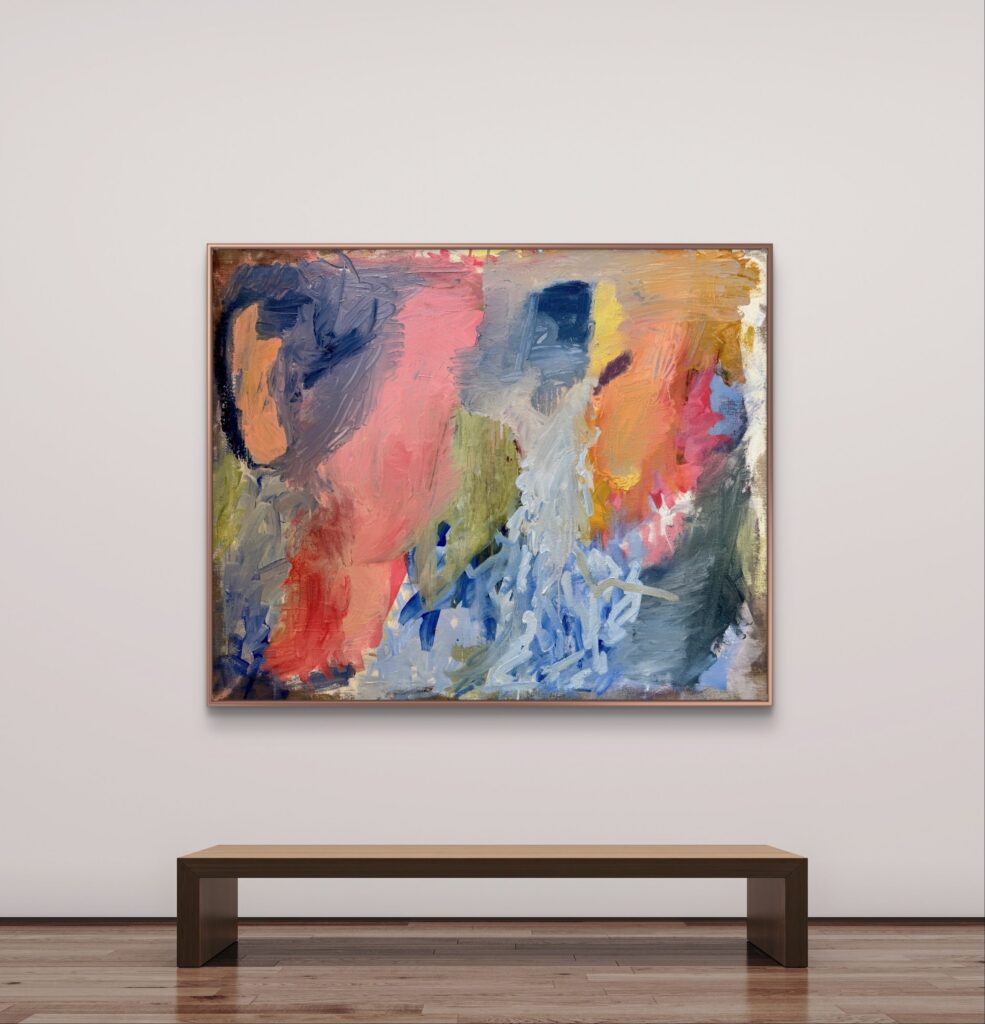
Dugald Murray is an oil painter whose works explore the intersection of the seen and the felt. Though his artistic journey began with landscape and portrait photography, Dugald has since transitioned to a more abstract expression, utilising heavily thinned oil paints and his own pigment blocks to deconstruct and reimagine the emotional core of those early subjects.
Colour and texture play a pivotal role in Dugald’s work, while the use of mediums mandates immediate and permanent reflection of emotional connection between artist, pigment and surface. These elements serve as bridges, connecting the visual world captured in photography with the artist’s personal response. The resulting paintings are not mere replications, but rather explorations of the essence of a place or person, translated through a lens of emotion and abstraction.
Having come to painting later in life, Dugald brings a passion for artistic discovery. His work invites viewers to delve deeper, to connect with the emotions woven into the vibrant colours and textured surfaces, and to discover their own interpretations within the abstract.
This focus on the emotional resonance translates into the artist’s abstract style. By deconstructing the visual elements and focusing on colour and texture, Dugald seeks to capture the unseen forces, energies, and stories that lie beneath the surface.
Artist Interview
What medium do you work with, and why have you chosen them?
I work primarily with oil paint, exploring its versatility through contrasting applications. My practice involves both heavily thinned oils and handmade pigment blocks, allowing me to push the boundaries of this traditional medium. <p><p> The thinned oils offer a fluidity that enables me to create translucent layers, achieving depth and luminosity in my work. This technique allows light to interact with the underlying layers, creating a subtle interplay of colour and texture. The liquid nature of thinned oils also facilitates spontaneous mark-making, capturing fleeting moments and emotions with gestural brushstrokes.<p><p> I craft my own pigment blocks by mixing pure pigments with a range of binder, depending on the texture and application feel desired. This approach gives me precise control over colour intensity and texture. The resulting impasto effects add a tactile dimension to my paintings, inviting viewers to engage with the physical presence of the paint itself.<p><p> I've chosen to work with oil paint in these diverse ways because of its unparalleled richness and versatility. Oils offer exceptional colour depth and blending capabilities, allowing me to achieve both subtle gradations and bold contrasts. The slow drying time of oils also affords me the opportunity to revisit and refine my work over extended periods, enabling a more contemplative and evolving creative process. This process of revisiting work often takes place over many months as I seek emotional connection with the work.
How does your artwork get from initial concept to exhibition stage?
My artistic journey from initial concept to exhibition stage is a dynamic and iterative process that unfolds through several key phases:<p><p> 1. The seed of an artwork often germinates from a fleeting thought, a vivid dream, or an emotional response to an experience. I capture these initial sparks in a sketchbook, capturing ideas, sketches, and potential colour palettes.<p><p> 2. Once a concept takes root, I delve deeper into its potential, experimenting with various compositional layouts and colour studies helps refine the initial idea.<p><p> 3. I spend considerable time on material preparation. As an artist working with both thinned oils and handmade pigment blocks, this stage is crucial.<p><p> 4. For the actual painting process I begin with broad, gestural strokes to establish the composition's foundation. Layering becomes a key technique, alternating between thin washes and thicker applications, often scrubbing back as I hunt for the right depth and sentiment.<p><p> 5. I generally frame in unstained Tasmanian Oak to support but not overpower the painting.
Can you tell us a little more about your creative working environment/studio?
I have a studio in Melbourne near a little cafe and creek parklands that provide all of the physical and mental space needed to be creative.
Career Highlights
- Mural commission
- Various charity group exhibitions