Acrylic Painting
Lee Wilde
Lee Wilde is a visual artist and poet based in Sydney, Australia. With a career spanning over two decades, she has sold more than 1300 original works to collectors worldwide, many of whom return time and again to acquire new pieces. Her studio is a place of relentless creativity, where emotion, experimentation, and artistic exploration converge.
Artist Profile
Lee Wilde is a visual artist and poet based in Sydney, Australia. With a career spanning over two decades, she has sold more than 1300 original works to collectors worldwide, many of whom return time and again to acquire new pieces. Her studio is a place of relentless creativity, where emotion, experimentation, and artistic exploration converge.
Lee Wilde is a self-representing Visual Artist and Poet, working from her studio in Sydney, Australia. Since 2003, she has shared her creative vision with the world, selling over 1400 original works to collectors across the globe—many of whom have become dedicated patrons of her art.
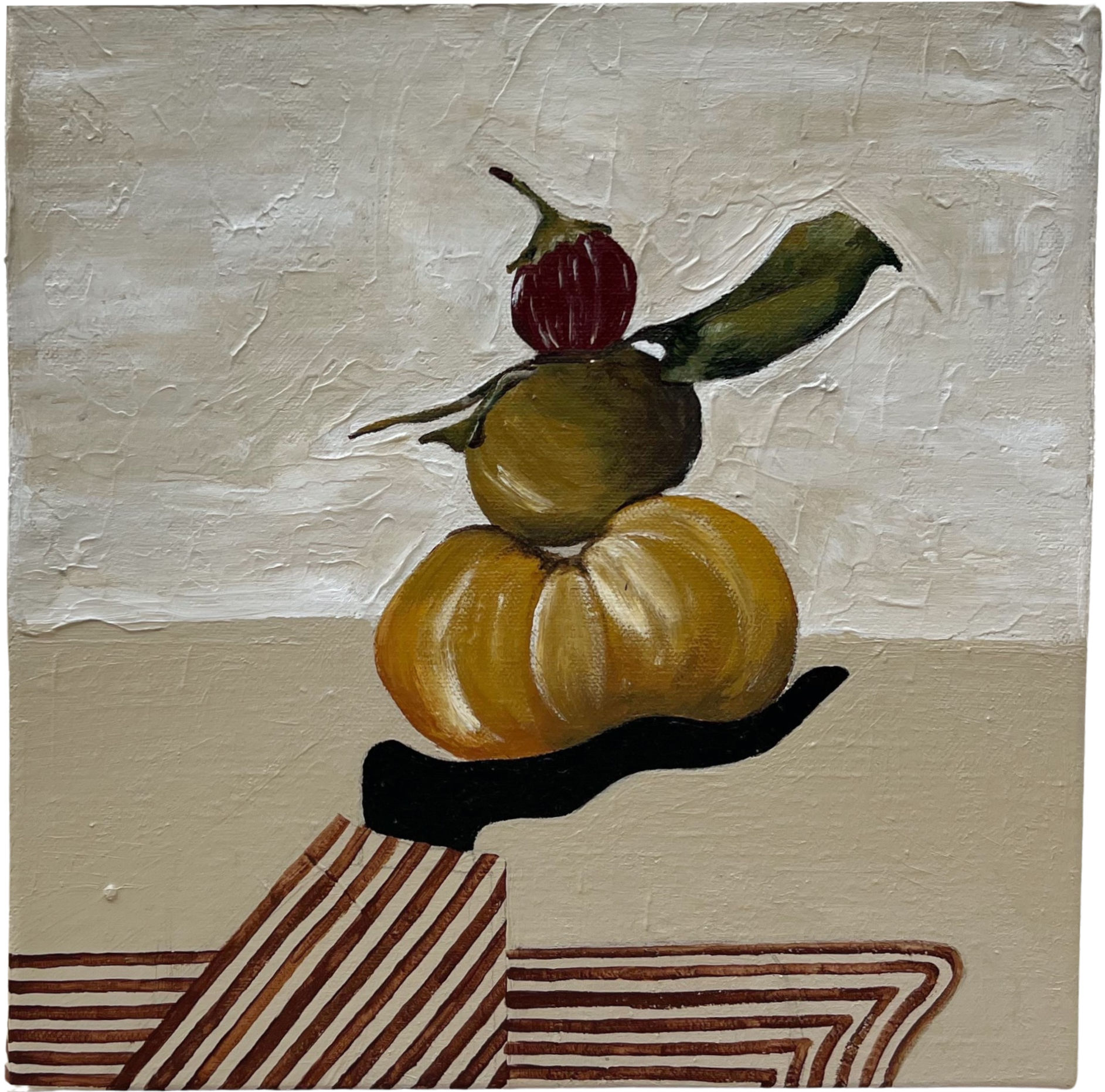
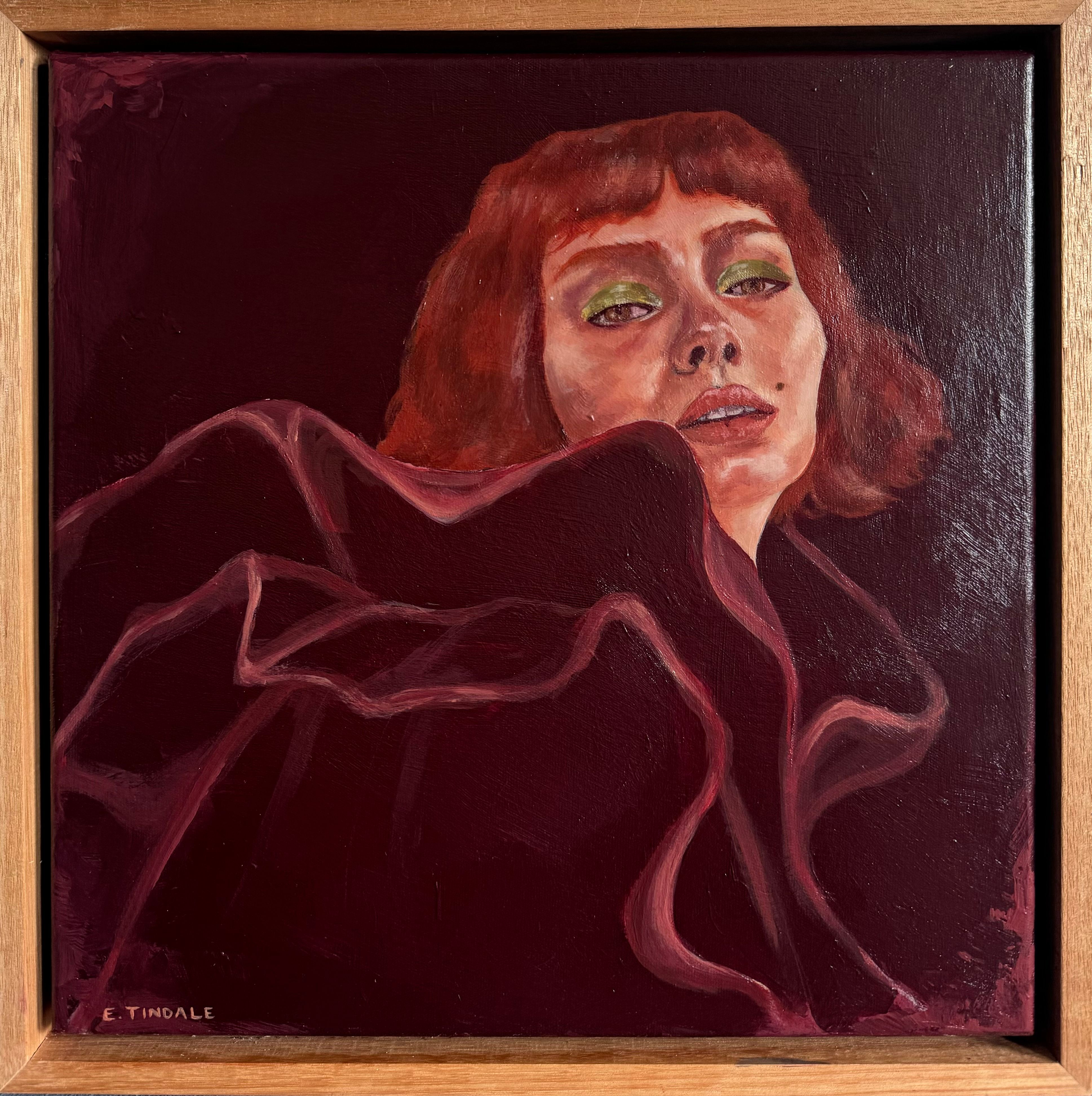
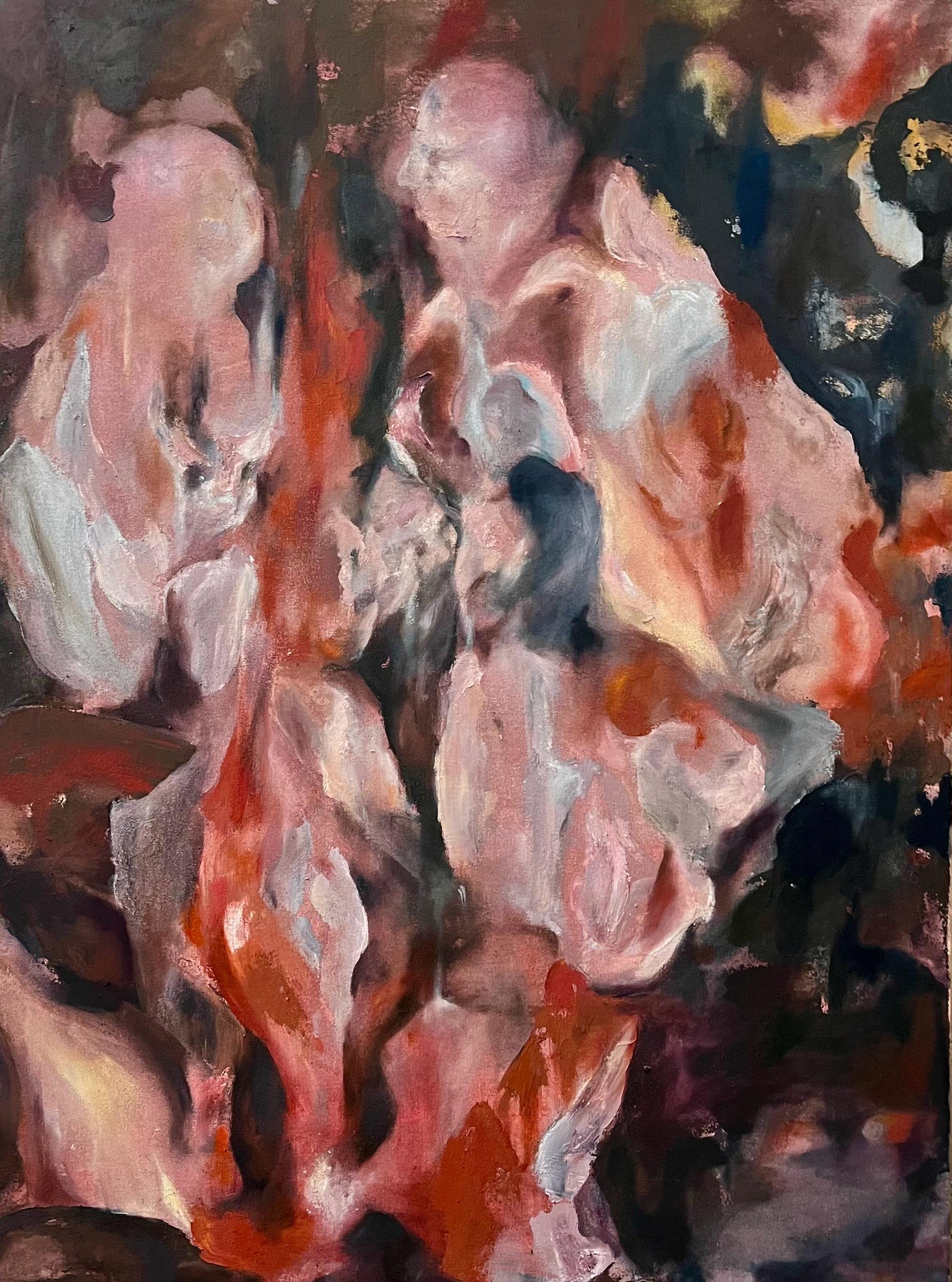
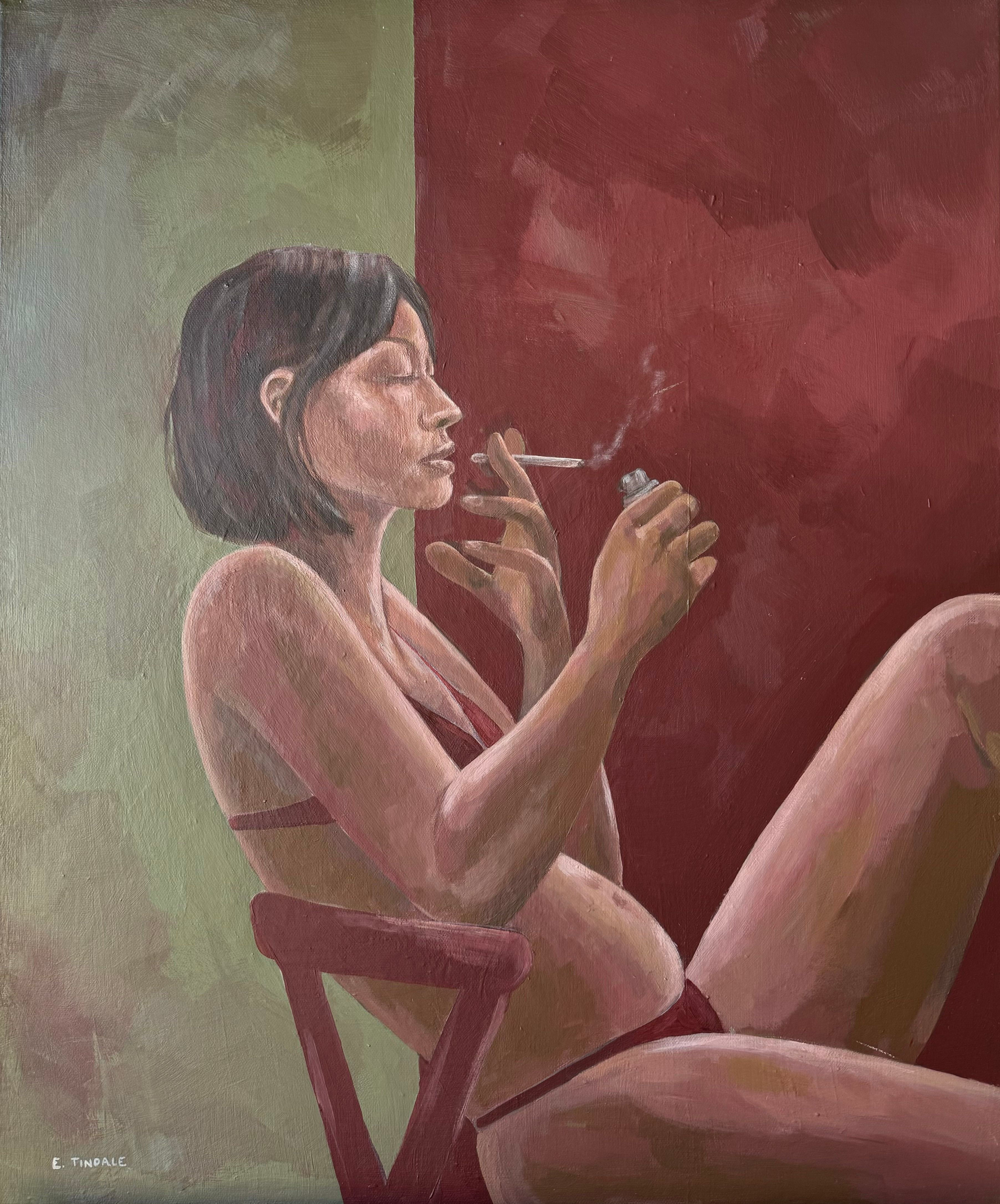
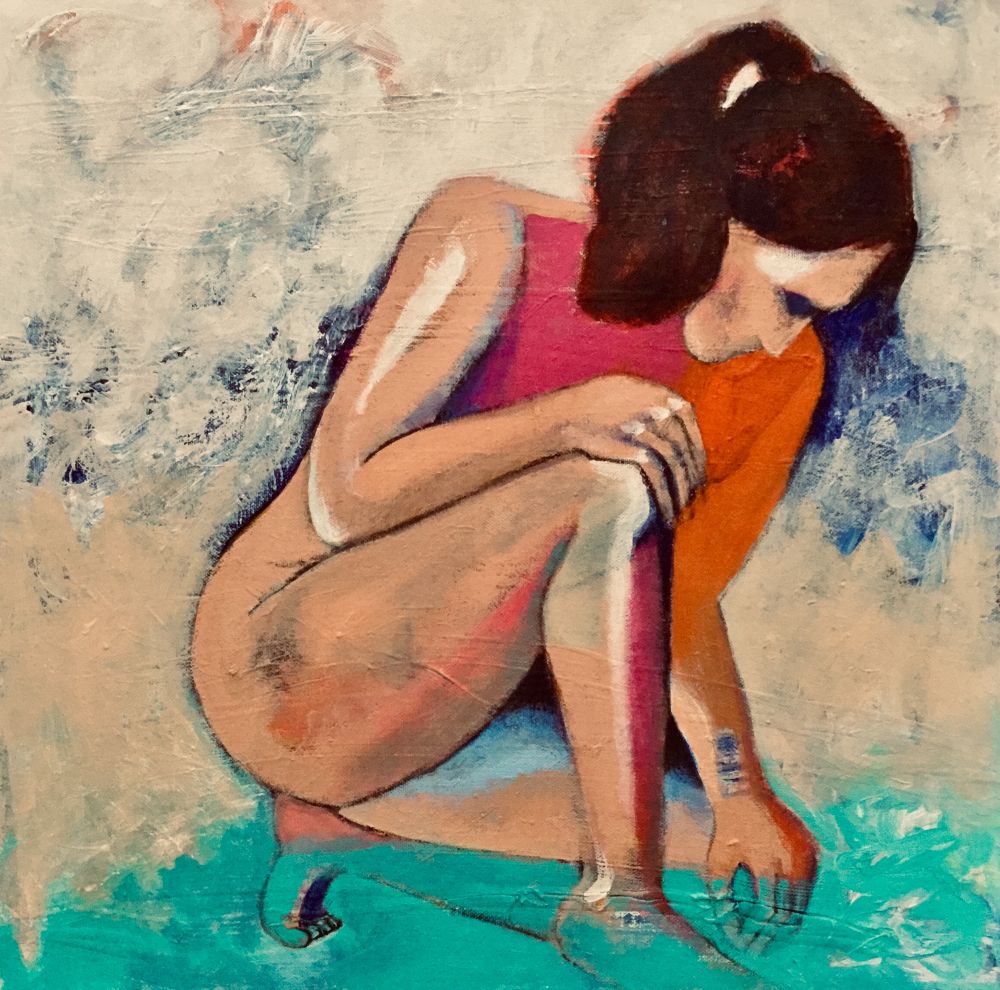
Her studio serves as a sanctuary of expression, where she channels her passion for creating vibrant, emotive, and deeply personal paintings. Her work often explores the essence of women, celebrating their strength, beauty, and complexity through bold compositions and dynamic forms. She thrives on experimentation, constantly evolving her approach by playing with different techniques and mediums—whether through expressive brushwork, layered textures, or abstract interpretations.
Each piece Lee creates is a reflection of her emotions, experiences, and the ever-shifting energy of existence. Her creative process is driven by an insatiable curiosity, an untethered mind, and a desire to capture raw feeling in visual form. Whether through color, movement, or poetry interwoven into her art, she seeks to craft pieces that resonate on a deeply human level.
Artist Interview
What medium do you work with, and why have you chosen them?
PAINTINGS When painting, I predominantly use Atelier Interactive acrylics because they give me complete control over my creative process while allowing for spontaneous expression. Unlike traditional acrylics that dry rapidly and limit blending, this paint has a unique formula that lets me extend drying time when needed, keeping colors workable longer. This means I can refine transitions, soften edges, and achieve the kind of nuanced textures that would typically require oil paints. The versatility of this paint aligns perfectly with my approach to art—it adapts to my vision rather than forcing me to adjust my technique. Painting for me is about movement, intuition, and capturing fleeting ideas before they vanish, and working with acrylics helps me maintain that creative momentum. DRAWINGS DRAWINGS Charcoal of course, for its sooty blackness and speed of appllication.. Graphite, in all its shades STABILO CarbOthello Premium Colouring Pencils are my go-to when I want rich, velvety colour. The ability to use them dry or blend with water enables me to add depth without sacrificing precision. Faber-Castell Polychromos coloured pencils are unmatched in vibrancy. I rely on their oil-based core for bold, saturated hues that stay intense even after multiple layers. Their lightfastness ensures my work retains its brilliance over time.
How does your artwork get from initial concept to exhibition stage?
Step 1: The Spark of Creation Every artwork begins with a feeling—sometimes a fleeting thought, sometimes a deep, lingering impression that refuses to fade. It may start as a colour that resonates, a movement that catches my eye, or a philosophical question that triggers an image in my mind's eye. This stage is not about control but about surrendering to the unknown, letting the idea unravel itself in the quiet spaces of the mind before it ever touches the canvas. Step 2: Sketching and Discovering Form Next, I immerse myself in the process of sketching and searching for form. This stage is about exploration—lines flow freely as I map out movement, balance, and structure, letting the composition reveal itself organically. Whether working from observation, imagination, or emotion, I refine shapes through repetition, shifting angles and perspectives until they breathe with life. As I sketch, the work begins to whisper its intentions. Forms emerge not just through contour but through the energy held within each gesture. I experiment with different tools—graphite for depth, colored pencils for mood—allowing the marks to dictate where the painting will eventually take me. In this phase, I’m not looking for perfection; I’m listening to the rhythm of the composition as it unfolds, responding instinctively to the evolving shapes until the vision feels complete. Step 3: The Emergence of Meaning As layers build and colors evolve, something beyond technique begins to surface—the essence of the piece, the underlying emotion that drives it. Sometimes, this meaning is clear from the start; other times, it reveals itself through the very act of creation. I allow the work to dictate its own rhythm, balancing fluidity and structure, searching for the tension that makes an artwork resonate beyond mere aesthetics. Step 4: Reflection and Refinement Before I consider a piece complete, I step back—not just physically, but mentally. In different lights, in different states of mind, I revisit the canvas with fresh eyes, questioning and reaffirming its energy. Here, refinement is not just about technical adjustments but about ensuring that every stroke, every layer, contributes to the emotion I set out to express. Step 5: Preparing for the Encounter Exhibition is the final chapter—the moment the artwork transitions from personal expression to shared experience. Presentation becomes integral to its impact, as framing, lighting, and placement shape how the viewer engages with the piece. I want them to step into the world I’ve created, to feel the movement, the tension, the unspoken narrative woven into the canvas. Art is not simply seen; it is felt, it is interpreted, it is lived—and my goal is always to make that experience as immersive as possible.
Can you tell us a little more about your creative working environment/studio?
If you want to know the truth, I work from home AKA my one bedroom apartment in Sydney, and every flat surface is covered with paints, brushes, stacks of drawings…. canvases leaning against walls. I couldn't swing a cat up in here if I had one.
Career Highlights
- 2000 – Cover art for "Tutti Pazzi Per Mario'' a novel by Monya Fluor, published by Vallardi, Italy
- 2011 – Cover art for 'Post Office'' a book by Charles Bukowski, published by Open Books Korea
- 2014 – Sold out solo show, Restless Visions, Sydney